From the previous edition of In Focus, early signs of shifting market conditions had already begun to emerge. Rising transport costs, weakening purchasing power, and unstable income levels were gradually affecting consumer sentiment and spending behavior, although the impact remained uneven across sectors.
By April, these pressures had become more evident across the broader macroeconomic landscape. Slower growth, persistent inflation, more cautious investment activity, and evolving labor market conditions increasingly reflected the strain being felt by both households and businesses.
This edition builds on those earlier observations by examining how these developments continue to shape business conditions, consumer behavior, and overall economic sentiment.
“In Focus” is a proprietary monthly macroeconomic report by RetailWise that analyzes the key economic forces shaping consumer behavior and influencing retail conditions in the Philippines.
Grounded in economic data and market commentary, it provides a structured view of emerging macroeconomic trends and their implications for near-term retail dynamics.
At RetailWise, we are bringing value across different brands. We aim to ensure your satisfaction by guaranteeing the success of your business from strategy to execution. Explore our strategies, resources, and expertise and find the perfect fit for your needs click here
The Department of Trade and Industry (DTI) said it has intensified monitoring and enforcement efforts to keep prices of basic goods in check amid continued increases in global oil prices.
Trade Secretary Maria Cristina Aldeguer-Roque said the agency is banking on the commitment of manufacturers and retailers to hold off on price increases for basic necessities and prime commodities until at least April 16, with some items expected to remain stable until April 28.
Roque said the agreement was reached following consultations with industry players, as authorities moved to cushion the impact of rising fuel costs on consumers.
She added that most essential goods are covered by the arrangement, with several items maintaining current prices through the end of the month.
Weekly monitoring
Roque said the DTI will sustain close coordination with manufacturers and retailers as global market conditions remain volatile.
She said no agreement has been reached beyond the current timeline, but the agency will meet with stakeholders weekly or every two weeks given the unusual circumstances.
While there is no fixed cap on potential price adjustments, she said the goal is to keep any increases at a minimum.
Focus on enforcement
The DTI said monitoring and enforcement efforts are focused on supermarkets and grocery stores to ensure compliance with suggested retail prices.
Roque said inspections are being conducted in these establishments, where the agency has enforcement authority.
The agency also committed to promptly informing the public should any price adjustments occur.
Supply remains stable
Despite global pressures, the DTI said supply remains sufficient.
Roque said there are currently no issues on the supply side, even as oil prices continue to rise.
She added that government programs are in place to support small businesses, while economic activity remains steady, including trade events and online selling.
At RetailWise, we are bringing value across different brands. We aim to ensure your satisfaction by guaranteeing the success of your business from strategy to execution. Explore our strategies, resources, and expertise and find the perfect fit for your needs click here
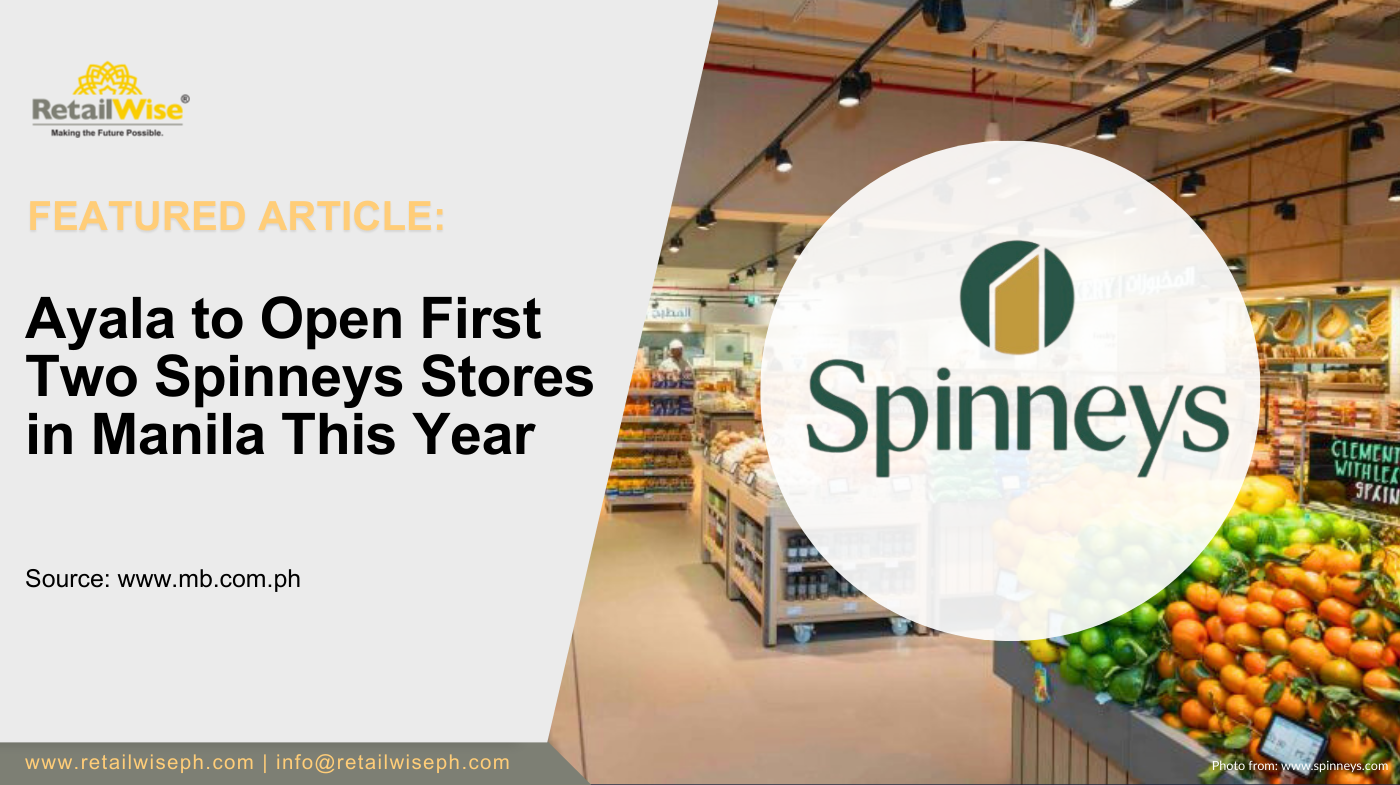
ACX Holdings Corp., the retail arm of Ayala Corp., plans to open its first two Spinneys supermarkets in the fourth quarter of 2026, marking the United Arab Emirates-based chain’s first expansion outside the Gulf region.
The initial branches will be located at Ayala Malls U.P. Town Center in Quezon City and San Antonio Plaza Arcade in Makati. These openings are part of a broader strategic rollout that aims to establish 12 stores in Metro Manila over the next four years.
The expansion follows a joint venture agreement signed in September 2025, in which Ayala holds a 60 percent stake and Spinneys owns the remaining 40 percent.
By introducing the Dubai-based brand, the conglomerate is positioning its mall developments to offer a highly differentiated grocery experience that emphasizes global sourcing and artisanal products.
Mariana Zobel de Ayala, managing director of Ayala Corp. and head of leasing and hospitality at Ayala Land Inc., described the brand as a significant addition to the local market.
She noted that premium retail is increasingly defined by curation and service rather than mere inventory.
The entry of Spinneys is intended to provide a new dimension to local grocery shopping, reflecting the sophisticated preferences of Filipino consumers who are increasingly exposed to international retail standards through travel.
The partnership also leverages a long-standing demographic link between the two regions. Spinneys currently employs more than 1,300 Filipinos across its operations in the Gulf Cooperation Council (GCC) countries.
Executives noted that the venture creates a pathway for these overseas workers to return to the Philippines and apply their expertise within the local industry.
Ayala Malls Chief Operating Officer Paul Birkett, who previously worked in Dubai, said the goal is to bring a “best-in-class” model to the Philippines. The stores will feature contemporary layouts and a service model designed to be seamless and engaging, blending imported goods with private-label products tailored to local tastes.
Beyond groceries, the stores will offer discovery-led experiences, including in-store education on nutrition and cooking. This lifestyle-oriented approach is part of Ayala’s wider strategy to refresh its retail portfolio, which recently included partnerships with Thailand’s CP Axtra for Makro and Australia’s Anko.
At RetailWise, we are bringing value across different brands. We aim to ensure your satisfaction by guaranteeing the success of your business from strategy to execution. Explore our strategies, resources, and expertise and find the perfect fit for your needs click here
MANILA, Philippines — Swedish home furnishing giant IKEA is opening its second official branch in the Philippines in partnership with the Ayala Group.
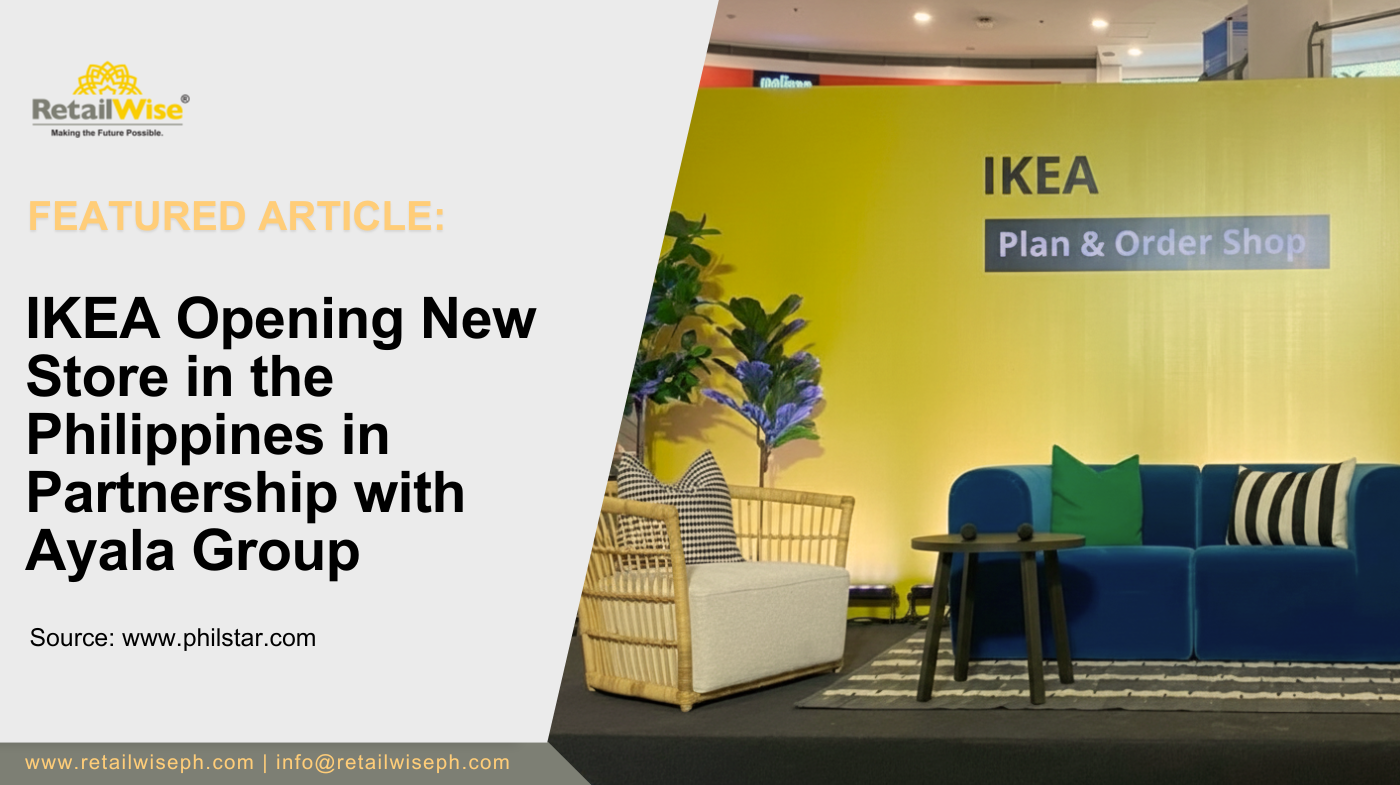
IKEA will open its first Plan and Order Shop in the Philippines at TriNoma Mall on Oct. 23, bringing its affordable and sustainable design closer to northern Metro Manila residents.
“We are now getting closer to the many more Filipinos, especially in the north of Manila. This partnership between IKEA and Ayala Malls allow us to create spaces that are accessible, convenient and inspiring,” IKEA Philippines country retail manager Ricardo Pinheiro said.
“IKEA Plan and Order Shop is one of the most recent formats we have. It’s actually a shop where customers can order the full IKEA range. It is also a shop where customers can plan their home solutions. It’s also a shop where customers can actually collect their online orders” he said.
Pinheiro said the Plan and Order Shop format is currently available in other IKEA sites globally like London, Paris, Stockholm, Spain and Portugal.
“We are opening more and more, but they are not very old. So it’s quite a recent format that we are still testing,” he said.
The first IKEA Plan and Order Shop in the Philippines will be a 500-square meter store located at the ground level of TriNoma Mall.
Pinheiro said that total investment for the store ranges from P30 million to P35 million.
The shop features small scale store with room vignettes and products that shoppers can purchase in-store and also functions as a free collection point for online orders.
It is also a space for customers to plan their dream kitchens, wardrobe and storage cabinet with the same expert guidance as offered from IKEA’s store in Pasay City.
The IKEA Plan and Order Shop aims to make affordable home furnishing even more accessible to shoppers from every corner of Metro Manila.
“For now, we are very committed to make this one a success. Based on the success of this one, we will decide if we will open more in different locations or not,” Pinheiro said.
Ayala Malls chief operating officer Paul Birkett said the opening of the IKEA Plan and Order Shop matches the ongoing refresh being undertaken at TriNoma.
“It’s really critically important that this first ever Plan and Order point in the Philippines, it’s the new retail format that brings the IKEA brand closer to consumers. It combines the convenience, the access, the innovation, but more importantly, the exceptional products. We give people another reason to visit TriNoma,” Birkettt said.
Pinheiro said the plan for IKEA Philippines for expansion moving forward is to explore both large store as well as the small scale Plan and Order Shop formats.
“For IKEA, it’s not one or the other. It’s one and the other. So we are looking to both formats as a way to get closer to the many Filipinos. Our country is so big and its so scattered around so many different islands and cities that we believe we need to explore both options of bigger store like Pasay and smaller Plan and Order shops like in Quezon City,” he said.
Asked about plans to open an IKEA store in SM Megamall, Pinheiro said: “It’s not part of our plans in the near future.”
IKEA opened its first store in the country in 2021 at the Mall of Asia Complex in Pasay, which is currently the biggest IKEA store in the world.
At RetailWise, we are bringing value across different brands. We aim to ensure your satisfaction by guaranteeing the success of your business from strategy to execution. Explore our strategies, resources, and expertise and find the perfect fit for your needs click here
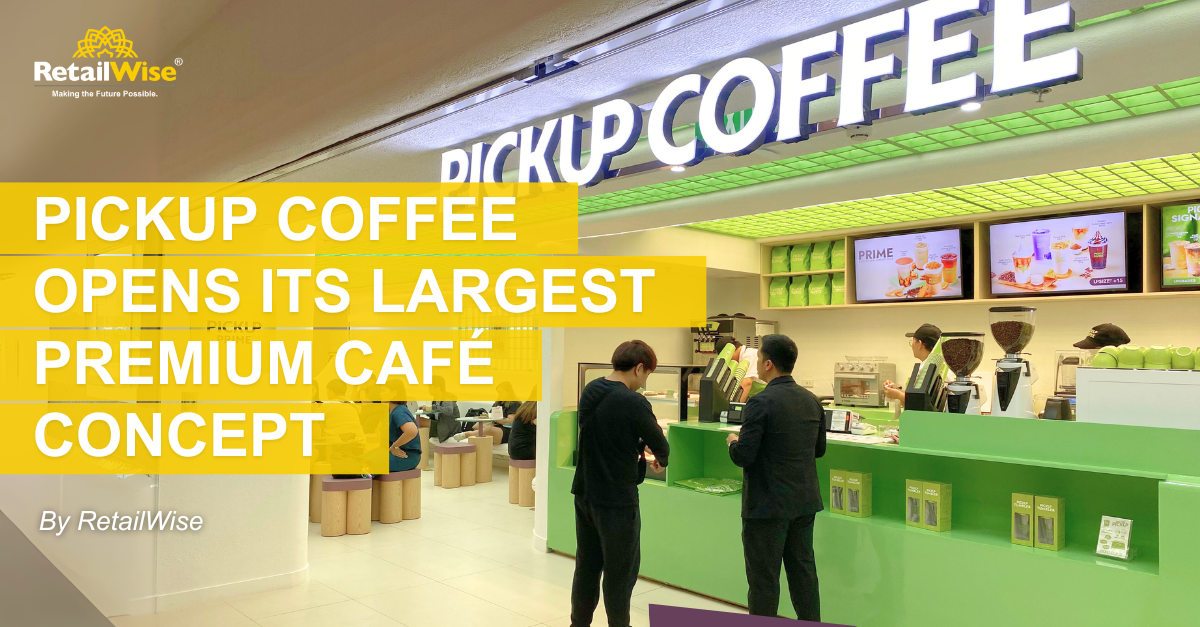
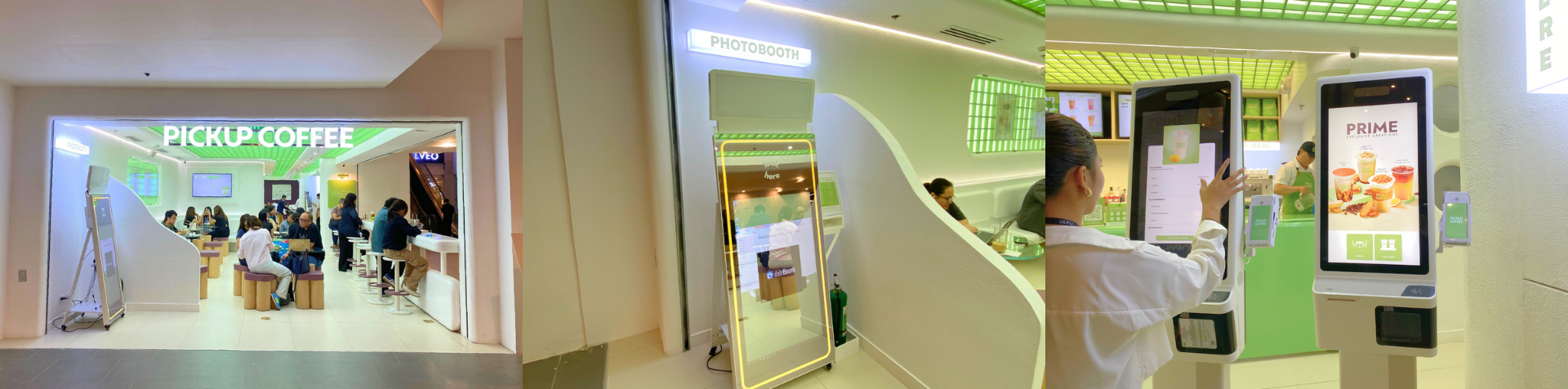
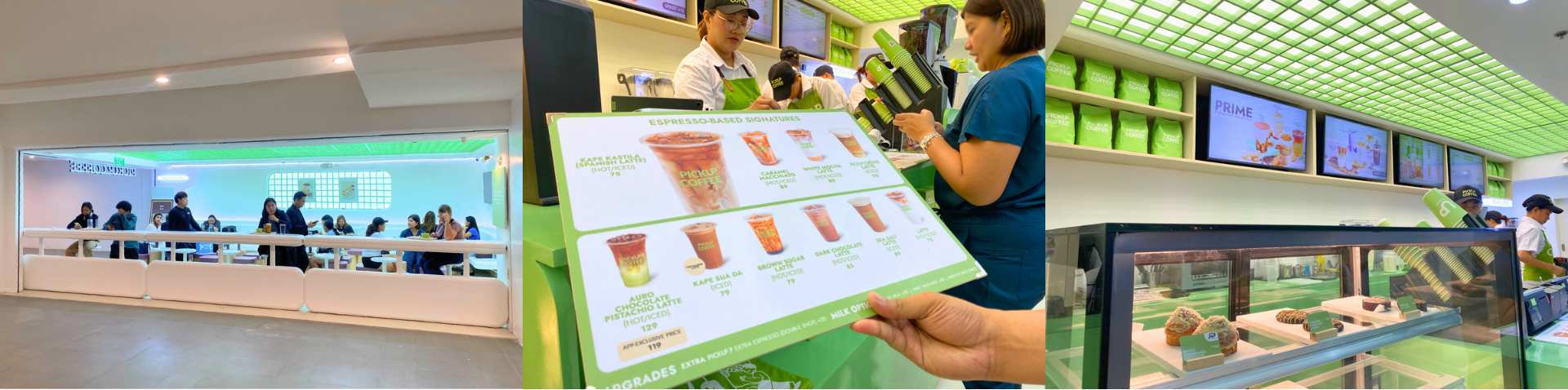
Pickup Coffee, the beloved Filipino brand, has opened PICKUP PRIME, its biggest branch and first premium café concept in Metro Manila, located at Ayala Malls Vertis North.
Building on its “FEEL THE PICKUP” campaign—which celebrates life’s uplifting moments, big or small—the brand continues to deliver high-quality, affordable coffee infused with positive, feel-good energy.
PICKUP PRIME offers a vibrant, youthful atmosphere where customers can use self-order kiosks, enjoy an exclusive specialty drink menu, and have fun with an interactive mirror photobooth.
In step with the growing trend of immersive customer experiences, the Vertis North café introduces inventive offerings such as the Americano Orange Sunrise, Sea Salt Biscoff Latte, Tiramisu Latte, and Golden Buttercream Latte, along with indulgent espresso soft-serve treats like the Kape Kastila Swirl and Americano Affogato Swirl.
To complete the experience, Pickup Coffee has partnered with celebrated home baker Ricardo Guninto of 5G Coffee House to serve handcrafted pastries including the Classic Croissant, Dulce Ensaymada Croissant Roll, Ham and Cheese Croissant, and a tempting selection of cookies.
From a humble startup to a well-established Philippine brand, Pickup Coffee has blended affordability, digital innovation, and experiential retail to become a cultural mainstay in cafés nationwide and beyond.
Haven’t visited yet? Now’s the perfect time to drop by and experience PICKUP PRIME for yourself!
At RetailWise, we are bringing value across different brands. We aim to ensure your satisfaction by guaranteeing the success of your business from strategy to execution. Explore our strategies, resources, and expertise and find the perfect fit for your needs click here
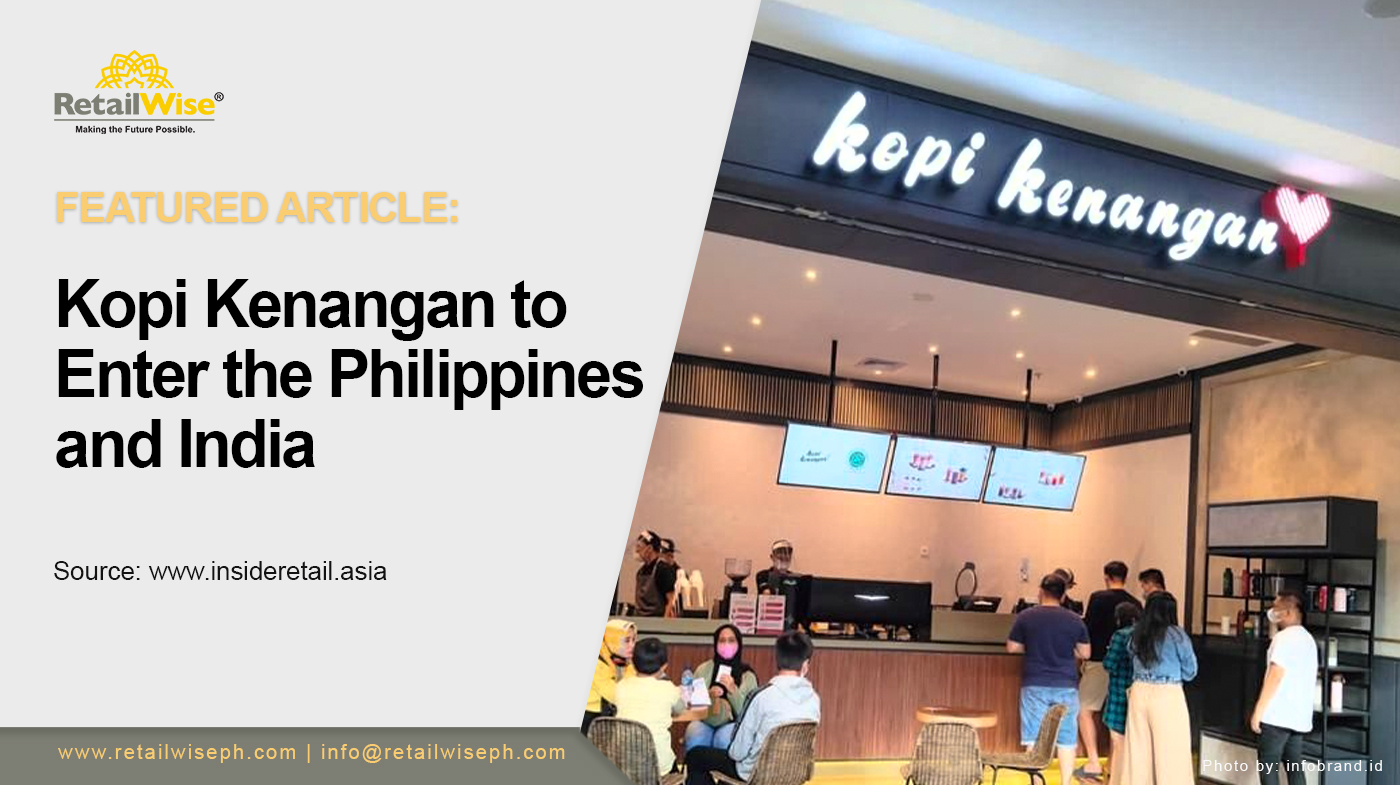
Indonesian coffee chain Kopi Kenangan – also known as Kenangan Coffee – is expanding its global footprint, beginning with the launch of its first stores in India and the Philippines.
The company will open its first Philippine store in October at SM Mall of Asia, Pasay City.
In India, Kopi Kenangan will make its debut early next year through a licensing agreement with a local F&B business. However, specific details have yet to be finalised.
During its initial expansion phase in Southeast Asia, the company said it would focus on establishing at least 10 stores in shopping centres.
“Our expansion into Malaysia and Singapore is a testament to our commitment to serving quality coffee to more people around the world,” said Edward Tirtanata, founder and CEO of Kopi Kenangan.
“Moving forward, we hope to continue expanding our reach by opening 500 international Kenangan Coffee outlets across various countries,” he said.
Founded in 2017, Kopi Kenangan is one of the largest branded coffee chains in Indonesia, with more than 900 outlets across 60 cities.
The brand made its international debut in Malaysia in 2022, followed by an expansion into Singapore last year, where it currently operates 48 and seven locations, respectively.
Private labels first captured my attention as a child in the 70s during a visit to Cora, the newest hypermarket near my hometown in northern France. Amidst the bustling aisles filled with colorful packages, I was drawn to a section showcasing “white products” – merchandise packaged in plain, minimalistic white without branding. The store-brand products communicated their value clearly: unbranded and low-priced. This early encounter with private labels, offering significant savings despite their lack of flashy branding, piqued my ongoing interest in private labels as I journeyed into retail.
Key Insights in Private Label Development
When I began my retail career in 1988 at Auchan in France, private labels were quite different from what we see today. Back then, their packaging often mimicked that of leading brands to the point where it could confuse customers, despite private labels being priced about 20% lower.
From those early experiences, I picked up three key insights:
Identify the top brands in your category to effectively position your private label.
Set your private label’s price 20% lower than the leading brands to attract price-sensitive customers.
Ensure your private label offers a margin that is 15 to 20% higher than the category leader to ensure profitability.
A decade later, at Monoprix-Prisunic, I encountered the concept of exclusive premium retail brands – high-quality products that resonated with customers and helped differentiate the retailer.
In the Middle East with Carrefour, I faced the challenge of launching private labels in a market dominated by established international brands. Despite Carrefour’s global reach, our progress was slower than expected due to limited initial volumes.
At Aswaaq, the challenge was even greater as we had to develop a private label before the first supermarket had even opened, with minimal volumes to start. We chose to focus on ten basic commodities, targeting the low-price segment with a distinctive brand name.
Since moving to the Philippines in 2011, I have had three key experiences developing or enhancing private labels. Although private label sales remain relatively low at below 5% share of sales compared to Europe, which has a 30% to 40% share of sales, or the US, with a 25% share of sales, the rise of hard discounters like Dali and O!Save, and the “No Brand” concept with strong private label strategies, has pushed local retailers to reassess their approaches to private label development.
Key Fundamentals of Private Label Development and Implementation
From my extensive experience in retail, I have learned that private label development serves three key purposes: strengthening branding, enhancing customer loyalty through unique products, and increasing profitability. Achieving these objectives relies on a meticulous step-by-step process, where each phase is critical. Missing even one step can compromise margins, affect targets, lead to flawed product development, and impact cost management efforts.
To attain success in private label development, attention must be given to several key aspects, from initial development to final implementation. These include:
Negotiating Costs: Start by focusing on fast-moving items. By leveraging high volumes, you can negotiate better deals and reduce costs effectively.
Defining Specifications: Ensure that your product specifications are clearly outlined and at par with the quality of national brands. This like-for-like comparison will build credibility in the market, demonstrating that your product meets top standards and that quality is never compromised.
Market Research: Take time to understand your competitors’ private label strategies and pricing. This insight will inform your own strategy and pricing decisions.
Sourcing Manufacturers: Evaluate both local and international manufacturers to secure competitive pricing without compromising on quality. It is crucial to balance high standards with cost efficiency to achieve success. Leading retailers often source their private labels globally to optimize both quality and cost.
Pricing Strategy: Ensure that the product’s cost price allows for a retail price difference of 15 to 20% compared to category leaders, along with an additional 15 to 20% margin. This principle has consistently guided me in scaling private labels effectively.
Contract Management: Establish contracts with manufacturers that cover volume requirements, pricing, lead times, product and packaging specifications, and penalty clauses for non-compliance. Regularly reviewing and adjusting these terms helps you stay agile and responsive to market changes.
Quality Control: Continuously monitor the quality of your private label products. Implement stringent quality control processes to uphold product standards. I recommend using a third party for random quality checks to ensure adherence to the agreed-upon standards with the manufacturer.
Brand Strategy: Deciding whether to use an existing brand name or create a new one significantly impacts your overall brand identity. Regardless of the choice, the brand will reflect the company’s value proposition and influence its reputation. Ensuring high-quality products is essential for strengthening brand identity.
Legal Compliance: Make sure you comply with all legal requirements and secure exclusivity for your brand name. This protects your brand and ensures regulatory compliance.
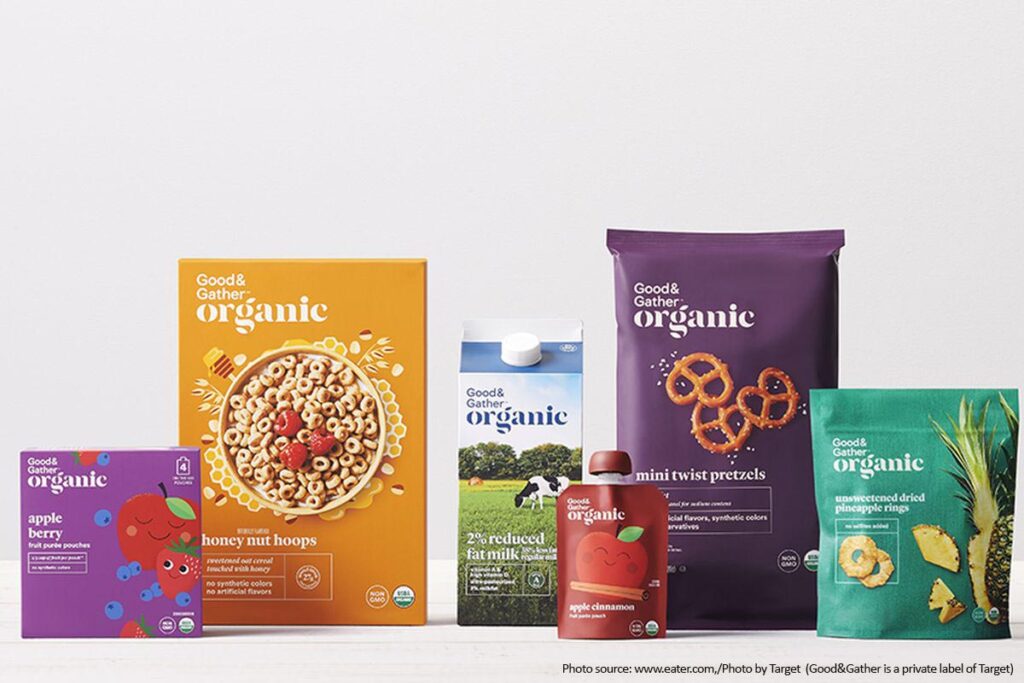
Packaging: Designing packaging that enhances the perceived quality of your product and meets legal standards is something I have learned to prioritize. Effective packaging can make a big difference.
Tiered Pricing: Develop private labels for various price segments – low, mid, and premium. Assign distinct brand names to each segment to appeal to different customer demographics. For the low and premium segments, creating specific brand names is especially effective.
In-Store Display: Allocate adequate shelf space for your private labels and position them at eye level. Proper placement can significantly boost visibility and sales.
Promotion: Plan regular promotions through catalogs, online channels, and social media. Utilize loyalty programs to encourage repeat purchases.
Price Monitoring: Regularly review and adjust prices to remain competitive. Periodically renegotiate costs with manufacturers to keep your pricing strategy effective.
Supplier Partnership: View your private label suppliers as partners. Regularly review their performance to address issues like quality and pricing, and use customer feedback to drive continuous improvement.
Fresh Food Quality: For fresh food and perishable items, maintaining consistent quality and safety is crucial. Your brand must be associated with reliable and high standards to avoid any perception of inconsistency or poor quality.
Supply Chain Management: Efficiently manage your supply chain to prevent disruptions. Streamline processes to ensure timely and reliable product availability.
Sales Monitoring: Regularly assess the sales performance of your private labels within their categories. Set targets for the next 3 to 5 years. For categories with limited or no brand presence, aim to achieve up to 75% sales contribution for your private label.
Customer Feedback: Collect feedback through surveys, focus groups, and blind testing to refine your products. Use this input to make improvements and better align with customer needs.
In summary, a well-executed private label strategy can greatly enhance a retailer’s brand, profitability, and customer loyalty. Achieving this requires a comprehensive approach that includes in-depth market research, strategic partnerships, innovative product development, effective marketing, and rigorous quality control.
In the current Philippine retail landscape, despite the presence of dominant international and strong local brands, strengthening private labels remains an opportunity for retailers to enhance their commercial offerings and reflect their company’s size and capability. Furthermore, a stronger market share in sales would significantly impact their economic model.
Reflecting on my early encounter with “white products” at Cora in the 70s, it is evident how far the concept of private labels has evolved. What started as a curiosity about cost-effective, unbranded merchandise has become a cornerstone of my strategic approach to private labels, helping retailers achieve success.
I hope these insights inspire you to fully embrace the potential of private labels in your own retail journey.
Postscript: For those looking to advance their private label strategy, consulting Philippe Devismes is highly recommended. As a mentor during the development of Aswaaq’s private labels, Philippe’s expertise and attention to detail offer invaluable guidance. His insights can help retailers effectively leverage private labels to enhance their market position and drive sustained success. Connect with Philippe on LinkedIn for more information.
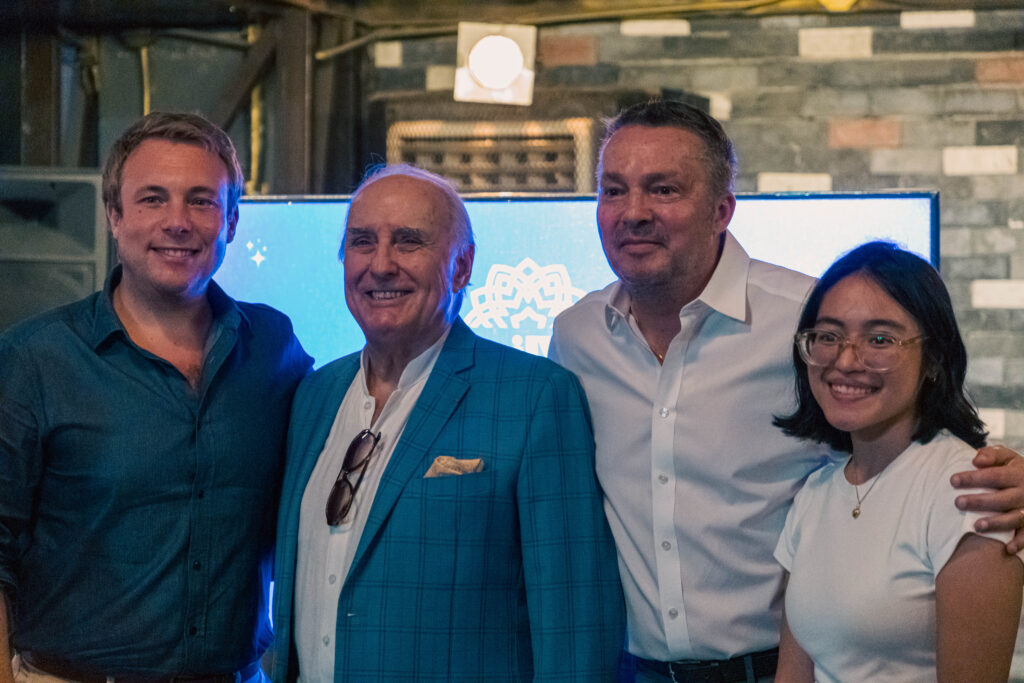
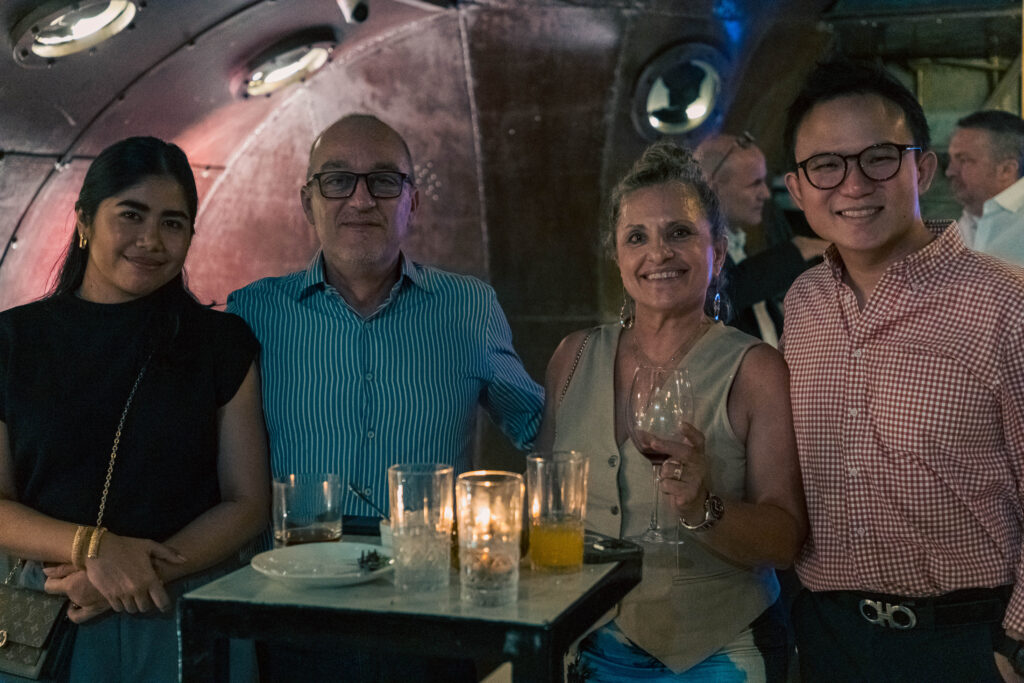
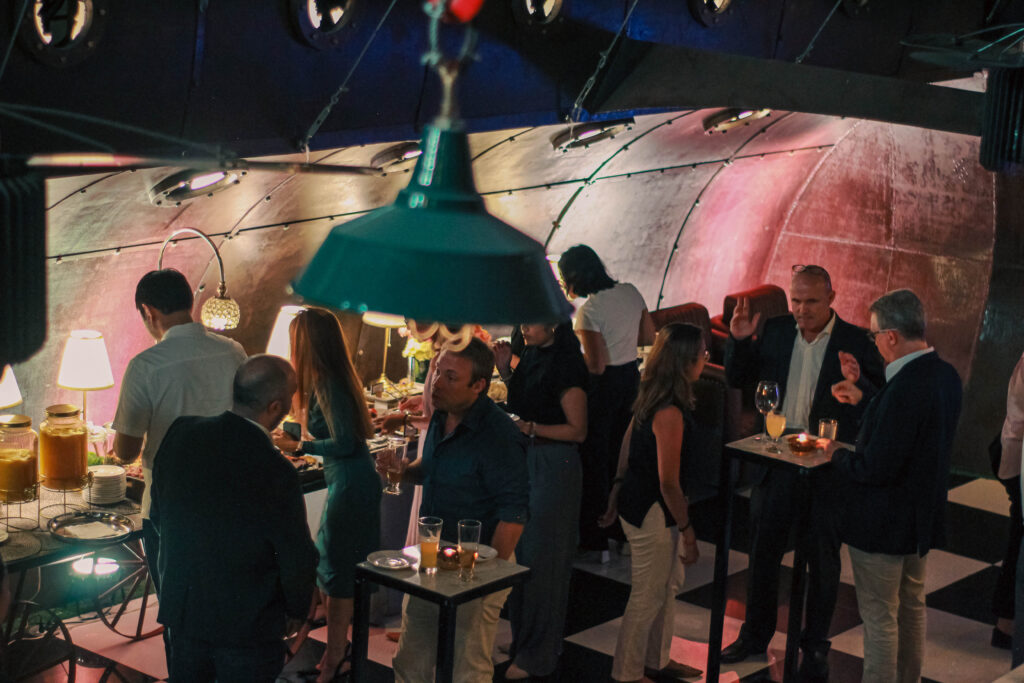
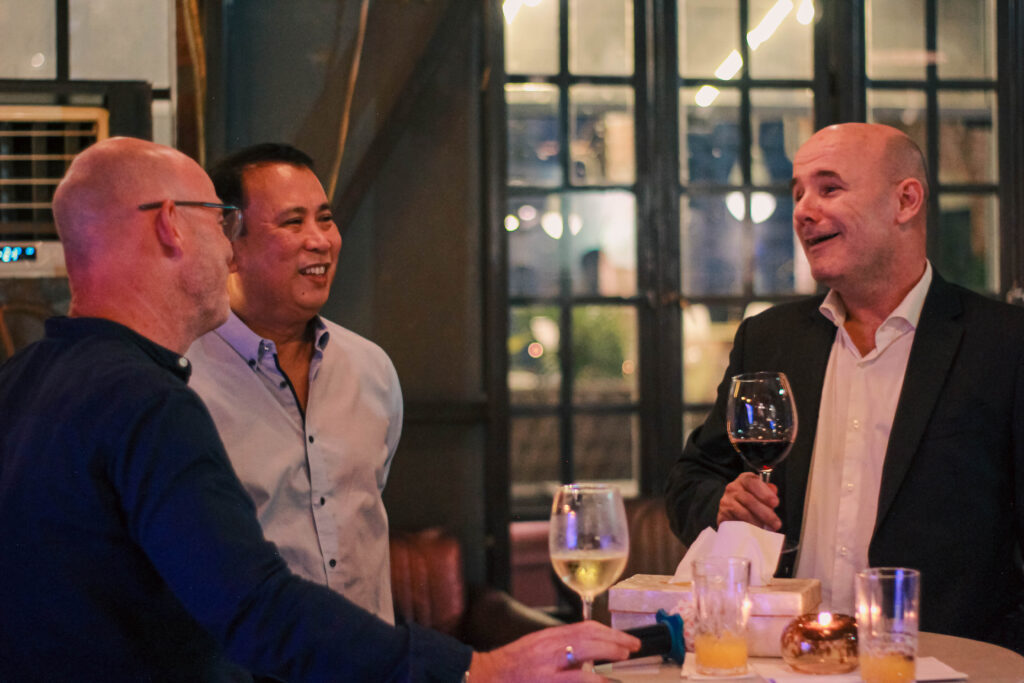
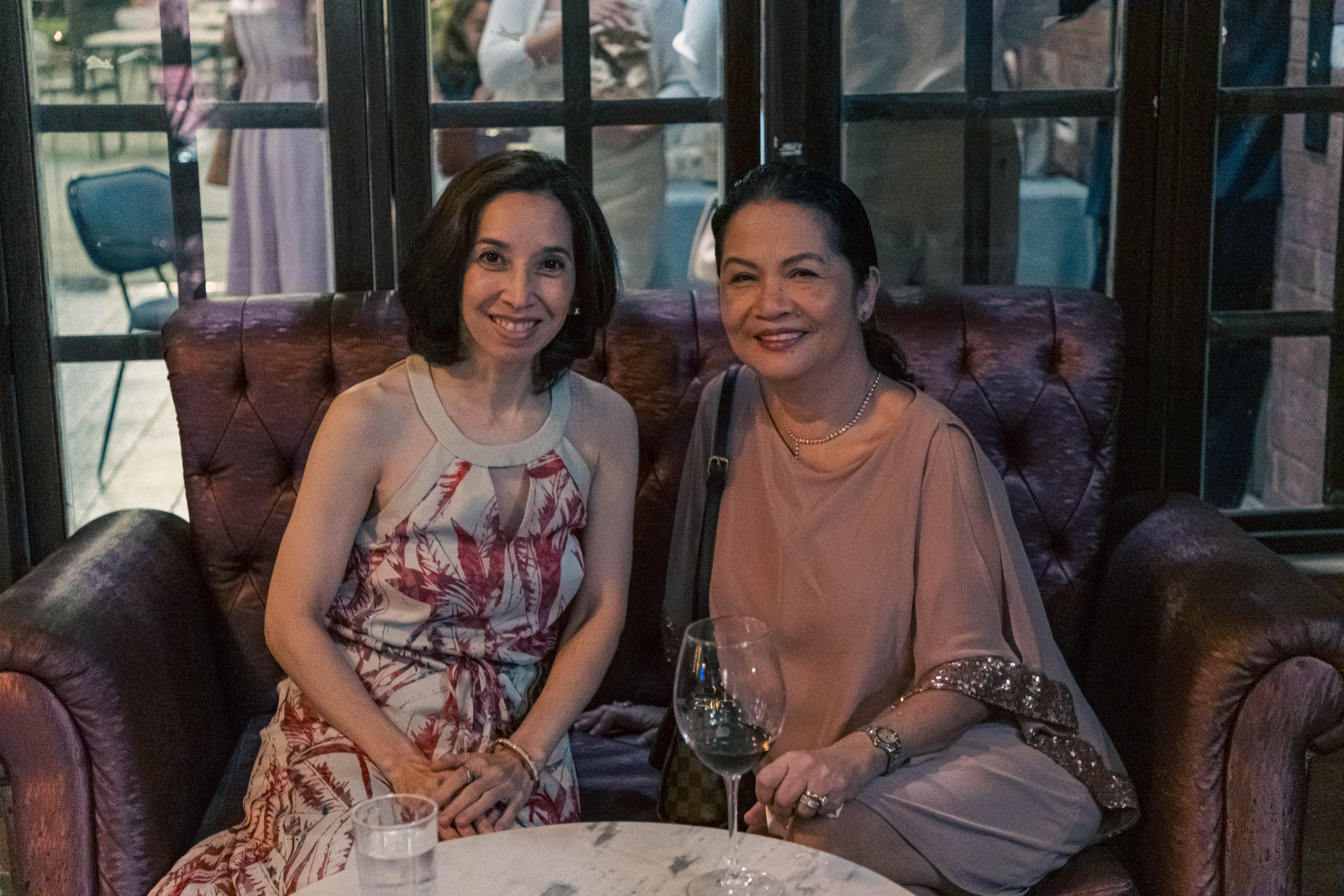
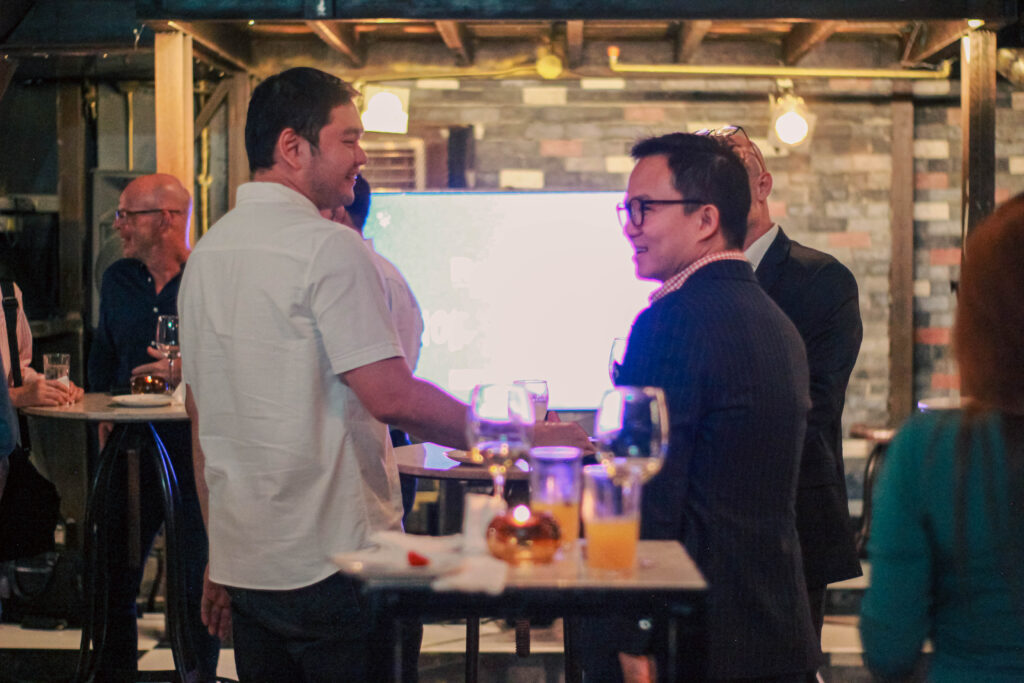
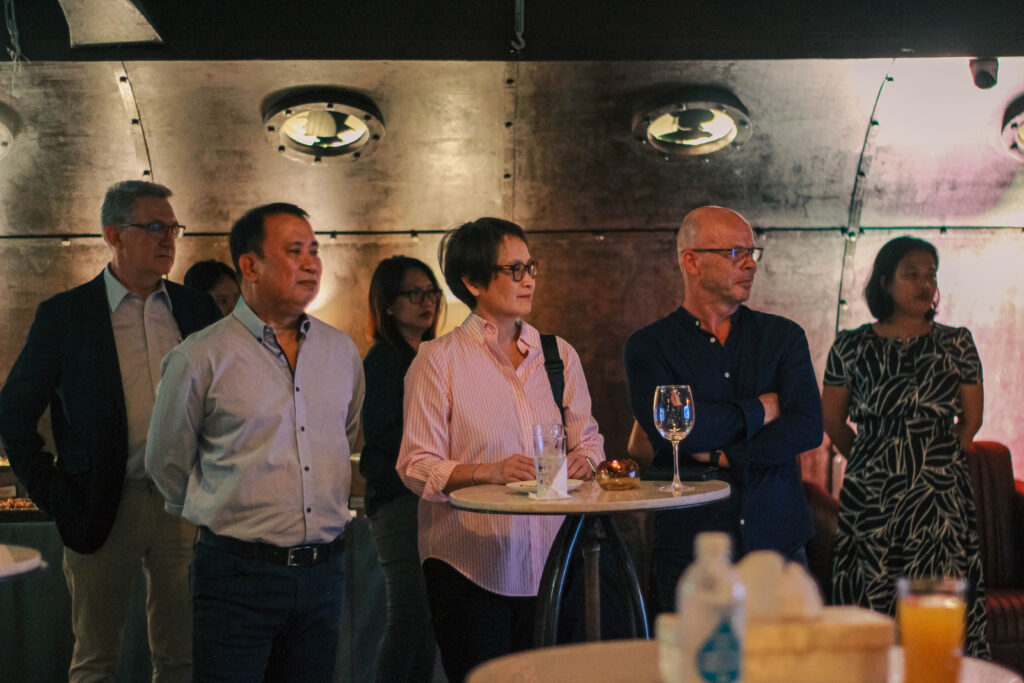
RetailWise celebrated its 10th anniversary with an intimate gathering attended by esteemed figures in the retail industry.
The event was a night of resounding success, filled with great food, delightful company, laughter, and meaningful conversations—a beautiful testament to the shared accomplishments and relationships that have flourished over the past decade.
RetailWise would like to take this opportunity to express its immense gratitude to everyone who has been part of its journey.
To the dedicated past and present employees who have tirelessly championed the company’s goals and values;
to the steadfast partners who have wholeheartedly entrusted RetailWise with their support; and to the clients and colleagues who have become friends, placing their confidence in the company’s expertise, RetailWise extends a heartfelt thank you.
As the company moves forward, it remains committed to providing the latest and best expertise in retail.
Here’s to many more years of success and camaraderie—cheers to the future!