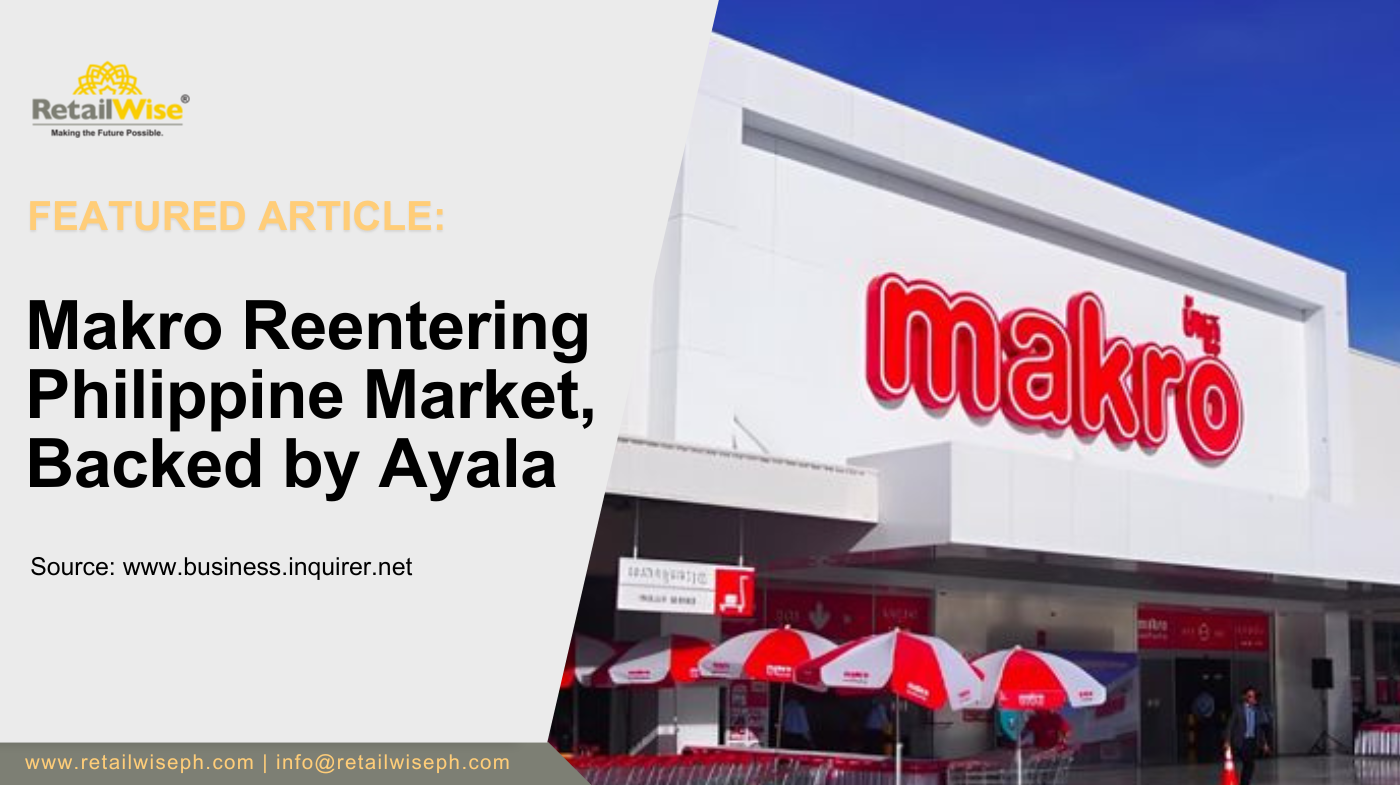
MANILA, Philippines — Grocery chain Makro is making a Philippine comeback with the help of the Ayala conglomerate, which has recently regained appetite for the retailing business.
ACX Holdings Corp., a wholly-owned subsidiary of Ayala Corp., signed on Sept. 24 a partnership deal with Thai company, Makro ROH Company Limited (MROH) for the operation of Makro stores in the Philippines.
ACX and MROH will own equity interest of 49.9 percent and 50.1 percent, respectively, in an investee entity that will operate the business venture.
MROH is a a subsidiary of CP Axtra Public Company Limited, a wholesale and retail business operator and mall management firm in Thailand and overseas markets. It is part of the Charoen Pokphand Group.
Makro, part of a Dutch warehouse club, debuted in the Philippines in 1996 during the term of President Fidel V. Ramos. The SM and Ayala groups then jointly invested in the brand.
16-year hiatus
Ayala later on sold its stake to the SM Group. Starting 2009, however, the SM Group decided to phase out the brand in favor of its own SM Hypermarket or SM Savemore.
But under a new generation of leaders, Ayala is noticeably getting back more aggressively into the retailing game, seeing an opportunity in the country’s demographic profile.
It recently brought Australian brand Anko to the Philippines.
Through incubation arm Kickstart, the group likewise invested in fast-growing PickUp Coffee chain.
Ayala Corp. managing director Mariana Zobel de Ayala earlier explained to Biz Buzz why the conglomerate was more confident in reentering the lucrative but highly-competitive retailing space.
“I think this time we have a dedicated team that’s really focused. We’ve also brought in experts who have done retail both locally and abroad,” Zobel said. “And we think there’s so much more to serve the Philippine market with. We feel the Filipino is quite underserved when it comes to retail and that’s kind of what drives us.
The renewed appetite for retailing complements the Ayala group’s business as a property developer. Grocery operation – one of the few businesses that thrived even during the harsh COVID-19 lockdowns – can anchor shopping centers and integrated developments.
At RetailWise, we are bringing value across different brands. We aim to ensure your satisfaction by guaranteeing the success of your business from strategy to execution. Explore our strategies, resources, and expertise and find the perfect fit for your needs click here
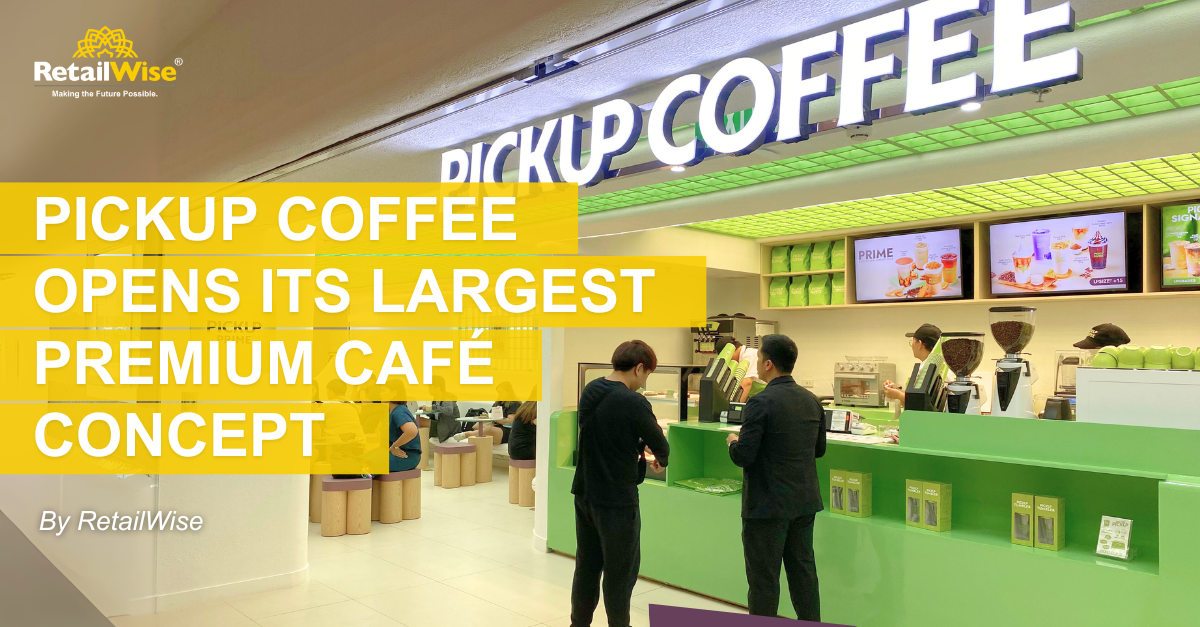
Pickup Coffee, the beloved Filipino brand, has opened PICKUP PRIME, its biggest branch and first premium café concept in Metro Manila, located at Ayala Malls Vertis North.
Building on its “FEEL THE PICKUP” campaign—which celebrates life’s uplifting moments, big or small—the brand continues to deliver high-quality, affordable coffee infused with positive, feel-good energy.
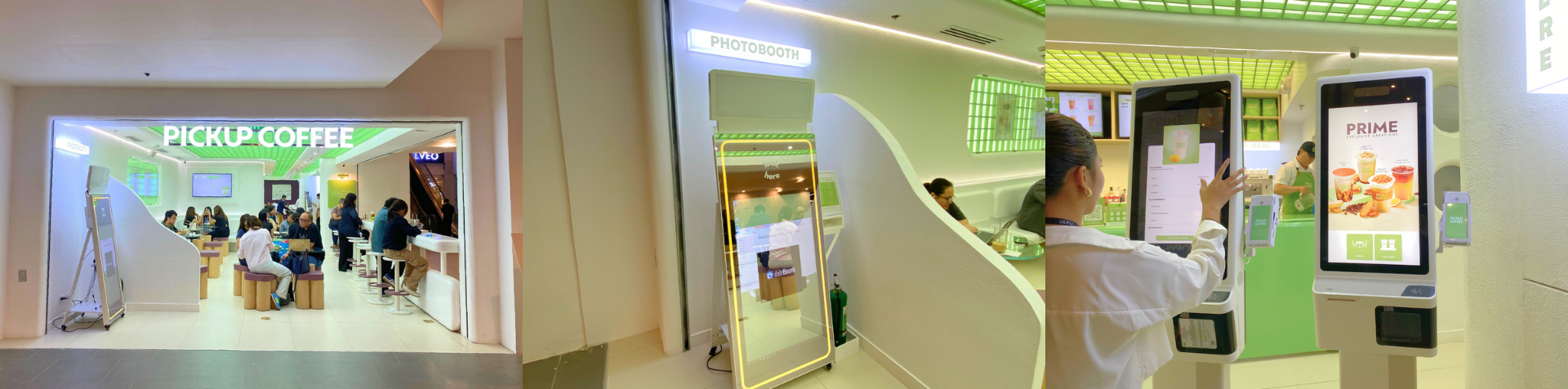
PICKUP PRIME offers a vibrant, youthful atmosphere where customers can use self-order kiosks, enjoy an exclusive specialty drink menu, and have fun with an interactive mirror photobooth.
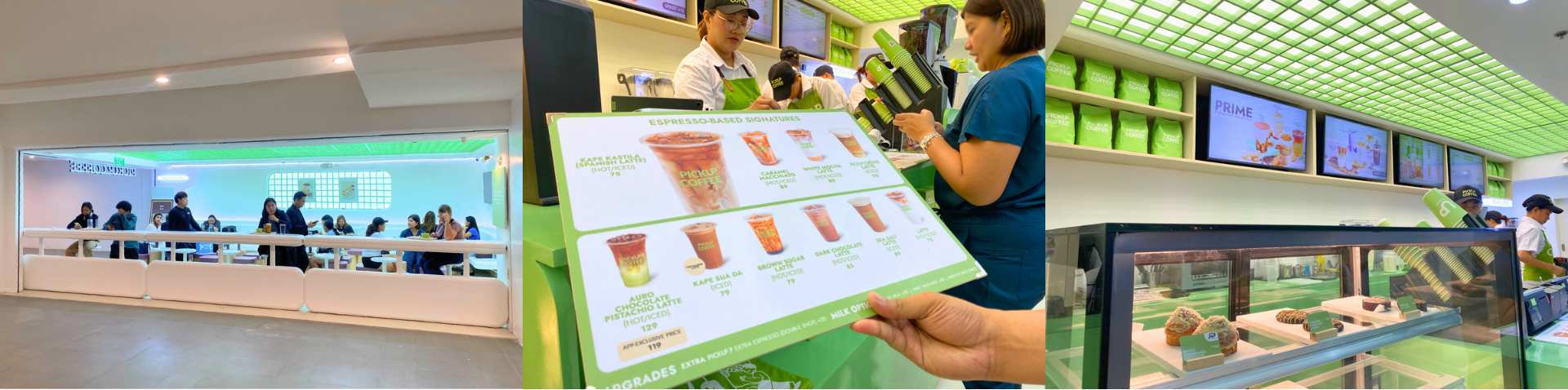
In step with the growing trend of immersive customer experiences, the Vertis North café introduces inventive offerings such as the Americano Orange Sunrise, Sea Salt Biscoff Latte, Tiramisu Latte, and Golden Buttercream Latte, along with indulgent espresso soft-serve treats like the Kape Kastila Swirl and Americano Affogato Swirl.
To complete the experience, Pickup Coffee has partnered with celebrated home baker Ricardo Guninto of 5G Coffee House to serve handcrafted pastries including the Classic Croissant, Dulce Ensaymada Croissant Roll, Ham and Cheese Croissant, and a tempting selection of cookies.
From a humble startup to a well-established Philippine brand, Pickup Coffee has blended affordability, digital innovation, and experiential retail to become a cultural mainstay in cafés nationwide and beyond.
Haven’t visited yet? Now’s the perfect time to drop by and experience PICKUP PRIME for yourself!
At RetailWise, we are bringing value across different brands. We aim to ensure your satisfaction by guaranteeing the success of your business from strategy to execution. Explore our strategies, resources, and expertise and find the perfect fit for your needs click here
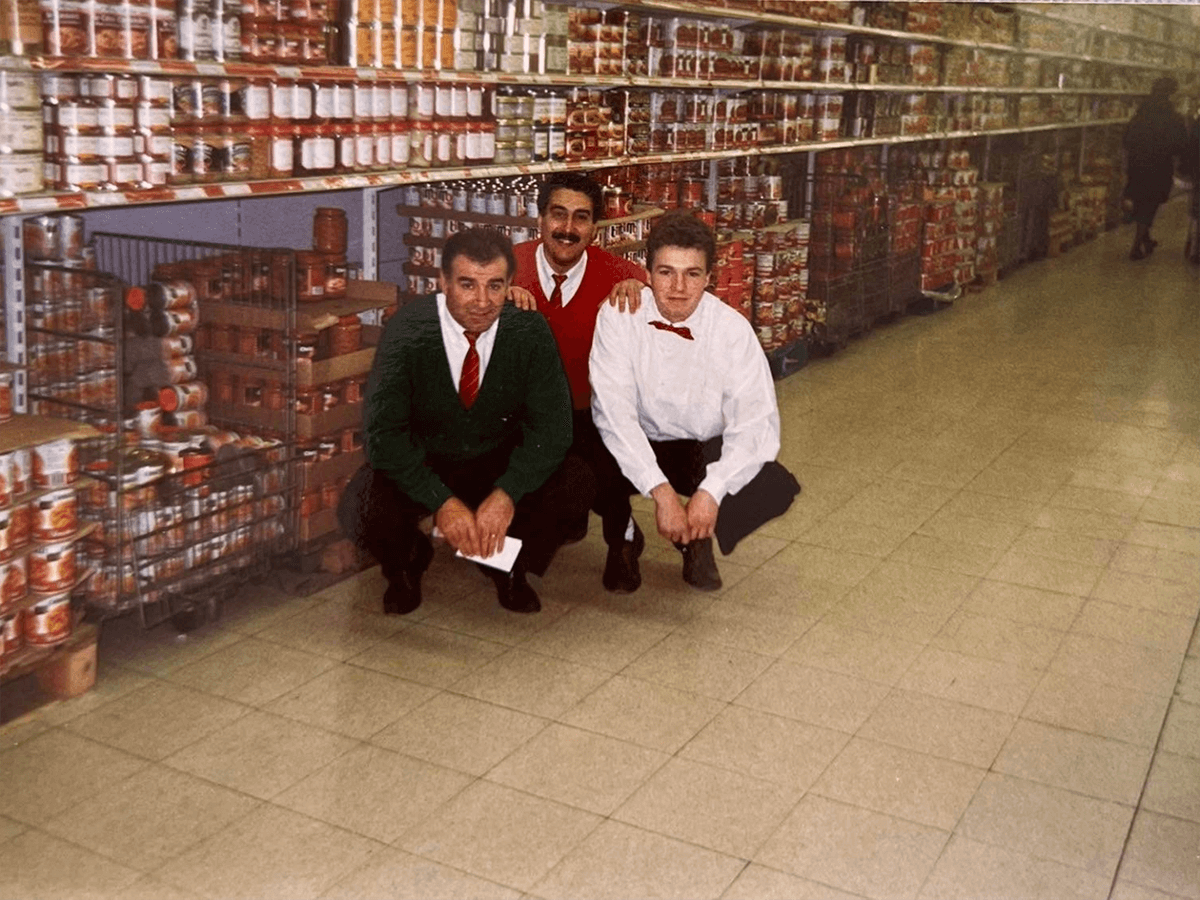
I vividly remember the excitement of visiting the newest and closest hypermarket to our municipality in France with my aunt and uncle. These visits, once or twice a month on Tuesdays, were a highlight since I had no school on Wednesdays. My first stop was always the books section, where I would lose myself in reading while waiting for them to finish their shopping. Afterwards, we would eat together at the mall’s cafeteria.
In the 1970s, the hypermarket concept was predominantly developed and promoted by retailers. These large stores, ranging from 10,000 to 15,000 square meters selling area, offered a wide variety of products under one roof – electronics, appliances, apparel, general merchandise, food, and non-food grocery items, along with a large fresh food area. The promise was a vast selection at affordable prices. However, this concept was controversial, posing a real threat to small independent businesses like meat shops, bakeries, and fruit and vegetable stores.
An Insightful Experience in the Hypermarket Business
Was it a coincidence that I began my professional career in the hypermarket business 15 years later? Starting in the retail industry, specifically in the hypermarket business with Auchan in 1988, was indeed a fantastic experience. Store operation managers were highly decisive in a decentralized organization, handling everything from buying to selling, with full accountability for their profit and loss statements.
Daily pep talks with the team and weekly reporting to the department head created a competitive environment for young managers. At that time, we were directly negotiating with supplier representatives, selecting promotions, and controlling daily orders.
Initiatives on planograms, coordinated with the centralized merchandise team, were welcomed. Buyers were gathering regular information on categories and products through constant communication with store operations personnel.
Our time was clearly divided between store preparation before opening and during the “re-opening” before the evening rush, administrative tasks, and supplier negotiations. Most importantly, constant communication and interaction with the store team were critical. Store personnel provided valuable feedback for young managers, benefiting from their extensive field experience and daily customer interactions.
I remember the regular sales challenges introduced by management, where we would arrive early to display our promotions extravagantly. Competition was fierce among the young managers (read: wolves!) to conquer challenges, and our creativity in showcasing the most impressive and innovative displays seemed limitless.
The principle of the concept was simple: “Low prices, strong promotions, everything under one roof, spacious cash counter lines, and ample parking to accommodate heavy customer traffic.” We felt invincible, anticipating that hypermarkets would gradually replace supermarkets and neighborhood stores. Back in the 1990s, the impact was indeed significant.
Today’s Reality: A Reflection on Decline
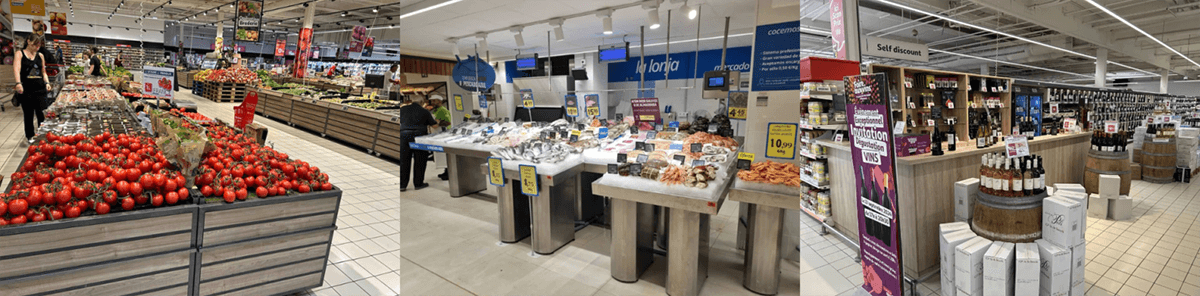
I travelled to Europe several times over the last three years and always made a point to visit stores, including hypermarkets. It was no different last August when I was in France and Spain. I have once again witnessed the continued decline of the hypermarket concept. There was so much space with few customers, empty cash counter lines, and a dark atmosphere – the excitement was gone.
Photo courtesy of Eric Poiret
Nevertheless, I must acknowledge the efforts made to maintain an outstanding fresh product offering with enticing displays, which still make a trip to the hypermarket worthwhile. The product selection is extensive, aiming to meet every customer’s request, even for niche items. The sheer volume on display, particularly the fish section, is impressive and tempting.
The option to choose between over-the-counter and pre-packed meat and fish is also a smart approach. The aroma of freshly baked bread and the remarkable pastry selection are highlights. The deli and cheese corner remain exciting, offering an amazing range from all over the world. New concepts, like the sushi bar and café corner, where you can have a quick breakfast or lunch with a variety of pastries and sandwiches, add a modern touch.
However, for dry food and personal care items, I see limited value. The product range is vast, but the display is uninteresting, and finding specific categories and merchandise can be challenging. There is nothing new, except perhaps the wine bar with a sommelier, and an expanded health and wellness section for the health-conscious.
For non-food items, primarily general merchandise, electronics, and apparel, there have been no significant changes or improvements in 30 years. While there are new products, the overall concept has not evolved and has even degraded in terms of attractiveness
What Happened Over The Years?
This decline is not without reason, as several factors have contributed to the hypermarket concept’s challenges, including shifts in market trends, consumer behavior, and increased competition.
Neighborhood Stores: Small supermarkets and compact hypermarkets have regained relevance. Economic considerations like rising transportation costs and a desire for more convenient shopping have favored proximity stores. Retail chains have also improved their smaller formats to offer almost everything, including fresh products and basic general merchandise, close to home. City stores in large urban areas effectively maximize small spaces to meet a wide range of needs, including fresh food and non-food categories, delivered right to your doorstep.
Specialty Stores: These stores have gained success by offering better assortments and prices in more enticing environments.
E-commerce and the Pandemic: The pandemic was a defining moment for hypermarkets. Modern retailers were pioneers in platform solutions, but e-commerce competition became fierce. All retailers now offer online platforms, and some are more relevant online than in physical stores. Independent e-commerce platforms have also emerged, creating new competition, while online food delivery options have surged.
Demographic Shifts: Changes in demographics, such as the increase in smaller households and aging populations, influence shopping behaviors. Smaller households prefer more frequent, smaller shopping trips rather than large, infrequent ones that hypermarkets accommodate.
Sustainability Concerns: Consumers are becoming more conscious of the environmental impact of their shopping habits, favoring stores that promote local products, reduce waste, and have smaller carbon footprints. Hypermarkets, with their extensive supply chains, can struggle to align with these values.
What’s Next? Suggestions for the Future of Hypermarkets
Retail chains have a significant opportunity to regain confidence in the hypermarket format by cultivating a mindset open to adapting to evolving customer trends and expectations. Based on my global experience in the hypermarket business, here are a few suggestions to consider.
Reduce Space: The first impression upon visiting a hypermarket at present is that it is too big. I find it difficult to understand why retail chains have not downsized existing stores over the years. In an era where prime space is valued and large boxes are losing popularity, retail chains should re-evaluate their use of space and declining sales productivity, perhaps transforming parts of hypermarkets into mall spaces, specialty stores, or dining experiences.
Improve Ambiance: It is a well-known fact that the hypermarket is a cutting-edge retail concept; unfortunately many have not evolved in terms of ambiance and visual appeal. Lighting, tiling, and visual concepts have remained unchanged for decades, and the absence of ambient music contributes to an uninviting atmosphere. Today’s customers crave experiential shopping that engages their senses – what they see, hear, and smell. This may be the perfect time to visually rebrand and transform this concept into one that is more vibrant and appealing for customers.
Enhance Customer Experience: This is probably the biggest opportunity. Rethinking the customer journey and creating engaging experiences for shoppers is key.
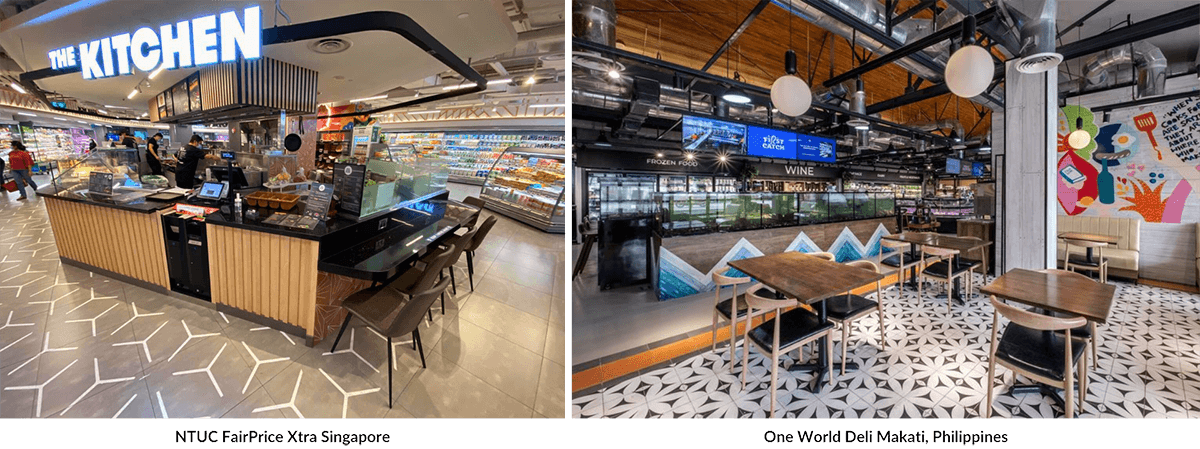
Given the quality of fresh offerings, there is an opportunity to emphasize and/or add dining experiences within the store, where customers can enjoy freshly prepared meals from the products they selected. This approach would engage customers’ senses, creating a strong appeal. Although this concept exists internationally in some high-end supermarkets, European retail chains have yet to embrace it strongly. Themed regional dining experiences – such as Asian, Mediterranean, or Mexican – could be introduced. With their existing volume and sourcing capabilities, hypermarket operators can additionally offer attractive price points. The challenge lies in creatively integrating dining experiences into the store layout without compromising space, customer flow, or navigation.
Similarly, there is a rise in new coffee concepts. Most hypermarkets have a basic grab-and-go coffee corner, but transforming it into a vibrant coffee shop inside the store could enhance the shopping experience. The coffee shop could be integrated near the bakery but designed to stand out visually.
For non-food items, integrating a “store within a store” concept could be beneficial. For example, Auchan could consider including a mini-Decathlon within the hypermarket, offering an immersive experience by inviting customers to try sports items in a dedicated zone.
For the electronics department, there is much room for rekindling excitement. I was once the head of this department, where customers would station themselves during home theater displays, showcasing the latest movies or concerts, with music resonating from afar. Surprisingly, during one of my hypermarket visits last August, I noticed that the TV units were switched off. While technology has evolved and most features are available in a single device, customers still desire to test and play with gadgets. Creating an engaging environment could attract customers and ultimately increase sales.
For apparel, collaborating with popular brands to create customized collections for the hypermarket could engage younger generations and revitalize the department’s offerings. These brands would have to ensure that price points remain accessible while maintaining the integrity of the concept.
Many of these suggestions have already been implemented in some modern retail chains worldwide. However, the necessary transformations in European markets appear to be occurring at a sluggish pace. Maintaining the status quo will only contribute to further decline. There is an opportunity to adapt to evolving market conditions and implement essential upgrades. Aesthetic changes alone may not be enough; a fundamental revolution in the hypermarket concept might be necessary. Benchmarking against successful markets in the US and Southeast Asia could offer valuable insights for European retail chains.
Final Thoughts: Embracing Change in Hypermarkets
Reflecting on my early experiences with French hypermarkets, it’s bittersweet to witness the decline of a concept that once promised a vibrant shopping experience under one roof. The memories of bustling aisles filled with excitement contrast sharply with the empty spaces I now observe. As we look to the future, it’s clear that revitalizing the hypermarket model will require not only a keen understanding of evolving consumer preferences but also a commitment to innovative and engaging shopping experiences. By embracing change and adapting to modern trends, hypermarkets can hope to rekindle the passion they once inspired in shoppers like myself.
I hope these thoughts motivate you to explore new ideas in retail and collaborate to revive the excitement that once made the hypermarket concept very special.
Eric has a solid experience of more than 35 years in the management of retail chains in the Gulf Region, Asia and France. Before becoming the Chairman of ERE, he was Managing Director for Metro Gaisano, Chief Operating Officer for ASWAAQ, a Dubai Government-owned company, and Chief Executive Officer for MAF Carrefour KSA. Eric Poiret’s expertise lies in strategic planning and operations management. Eric continues to expand his expertise by permanently keeping up with market trends through various engagements and visiting different retail markets around the world.